

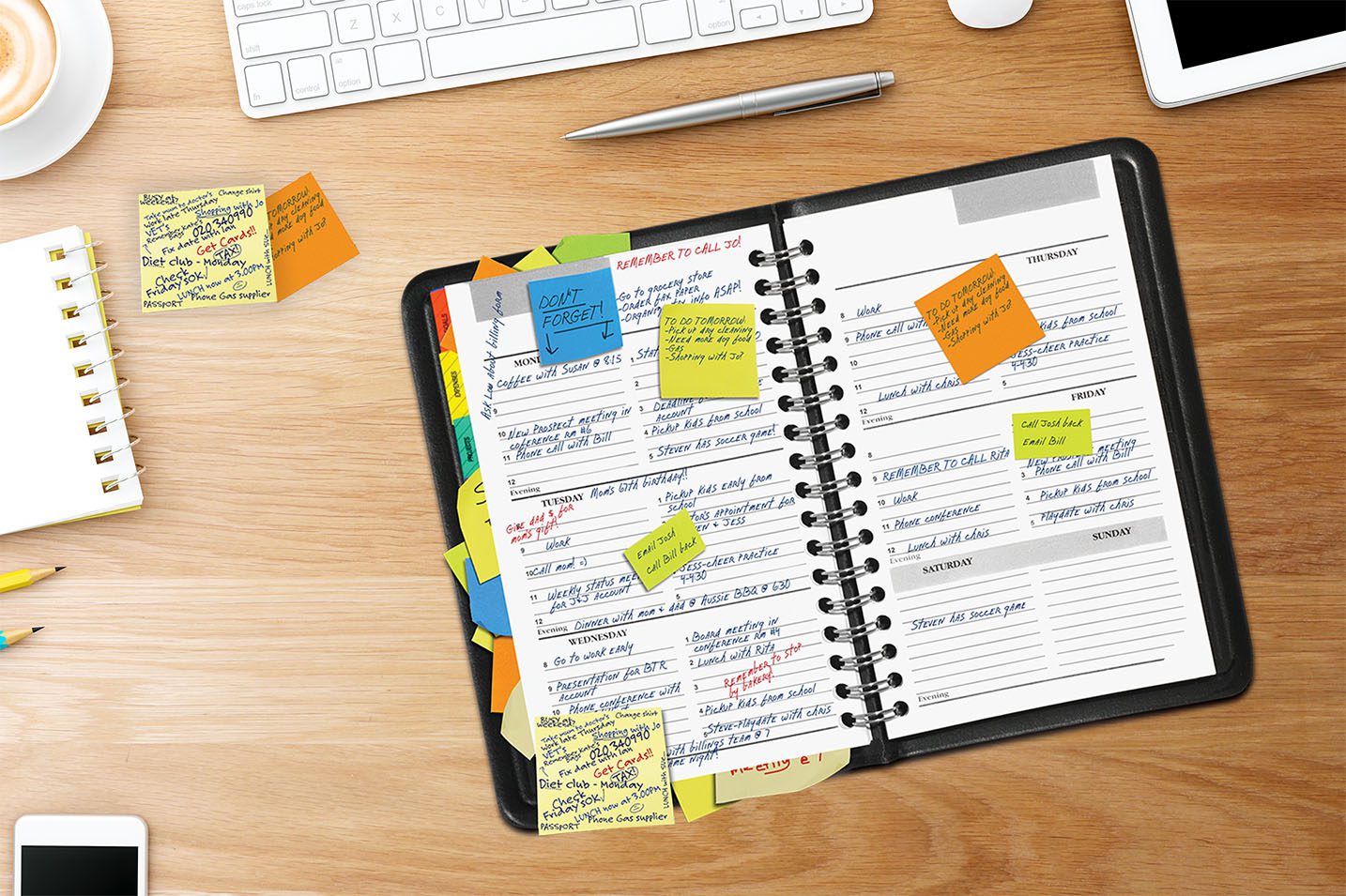
In a world full of productivity apps, reminders, and digital calendars, choosing a paper planner can feel almost counterintuitive. Why write things down when everything can live on a screen?
And yet, many people find themselves coming back to paper — not out of nostalgia, but because it works. A well-designed paper planner doesn’t just track tasks. It helps you think clearly, prioritize intentionally, and see how your time is actually being spent.
That’s where the difference between any planner and a good planner really matters.
Why Paper Planning Still Works
Research consistently shows that writing improves memory, focus, and comprehension. When you plan on paper, you slow down just enough to process what you’re committing to. That pause often leads to better decisions about what matters — and what doesn’t.
Unlike digital tools that encourage constant rescheduling and alerts, a paper planner gives you a fixed view of your time. It helps answer important questions like:
- What am I really responsible for right now?
- What deserves attention this week?
- How much can I realistically fit into my schedule?
If you’ve ever felt busy but unproductive, this clarity alone can be worth the investment.
Not All Planners Help You Think the Same Way
Many planners fall into one of two categories:
- Calendar-first planners, which focus heavily on time blocks and appointments
- List-based planners, which prioritize daily to-dos without much structure
Both can be useful, but both also have limitations. Calendars don’t always capture the full scope of your responsibilities, and lists can grow endlessly without context.
The Planner Pad Organizer takes a different approach by focusing on how you think before you schedule. Its well-known funnel-down layout encourages you to start with priorities, break them into actions, and then place those actions into your actual week.
You can learn more about how this works in practice in the blog post,
How the Planner Pad Organizer Helps You Project Manage.
Why This Approach Works for Different Professions
One reason the Planner Pad has remained popular across decades is that it adapts well to different types of work — not just one productivity style.
Professionals & Managers
If your job involves multiple projects, meetings, and competing priorities, it’s easy to lose sight of what moves things forward. The Planner Pad allows you to keep high-level responsibilities visible while still planning realistic weekly actions. This can be especially helpful for managers who need to balance strategic thinking with day-to-day execution.
Entrepreneurs & Small Business Owners
Running a business often means wearing many hats. The Planner Pad’s structure makes it easier to separate marketing, operations, finances, and personal responsibilities — while still seeing them together in one weekly view. Many business owners appreciate having a system that helps prevent overcommitting.
Educators & Students
Teachers and students often juggle long-term goals (like semesters or curricula) with daily demands. The Planner Pad can help bridge that gap, making it easier to translate big objectives into manageable weekly plans without losing sight of the bigger picture.
Busy Parents & Caregivers
Life responsibilities don’t stop at work. Many Planner Pad users rely on it to balance personal goals, family commitments, and household tasks in one place — helping them see a more realistic view of their week. This idea is explored further in
How the Planner Pad Helps You See a Realistic View of Your Life.
Why a Quality Planner Is an Investment — Not an Expense
A good planner isn’t about perfection or productivity for productivity’s sake. It’s about reducing friction in your life. When your planning system works, you spend less time deciding what to do next and more time doing it.
The Planner Pad is often described as a “thinking tool” rather than just a planner. That’s why many users stick with it year after year. Instead of adapting yourself to the planner, the planner adapts to how you already think.
Is the Planner Pad Right for You?
The Planner Pad may be a good fit if you:
- Feel overwhelmed by long to-do lists
- Want to connect daily tasks to bigger goals
- Prefer writing things down to tapping on a screen
- Need structure without rigidity
It may not be the right choice if you want minute-by-minute scheduling or rely heavily on automated reminders. And that’s okay — the best planner is the one you’ll actually use.
Choosing a paper planner is ultimately about choosing a system that supports your thinking, not just your schedule. For many people across many professions, that’s what makes the Planner Pad worth considering — and worth the investment.